
Why You Wake Up Groggy: Sleep Inertia
By Mark Fulton · 2026-08-09 · 2 min read
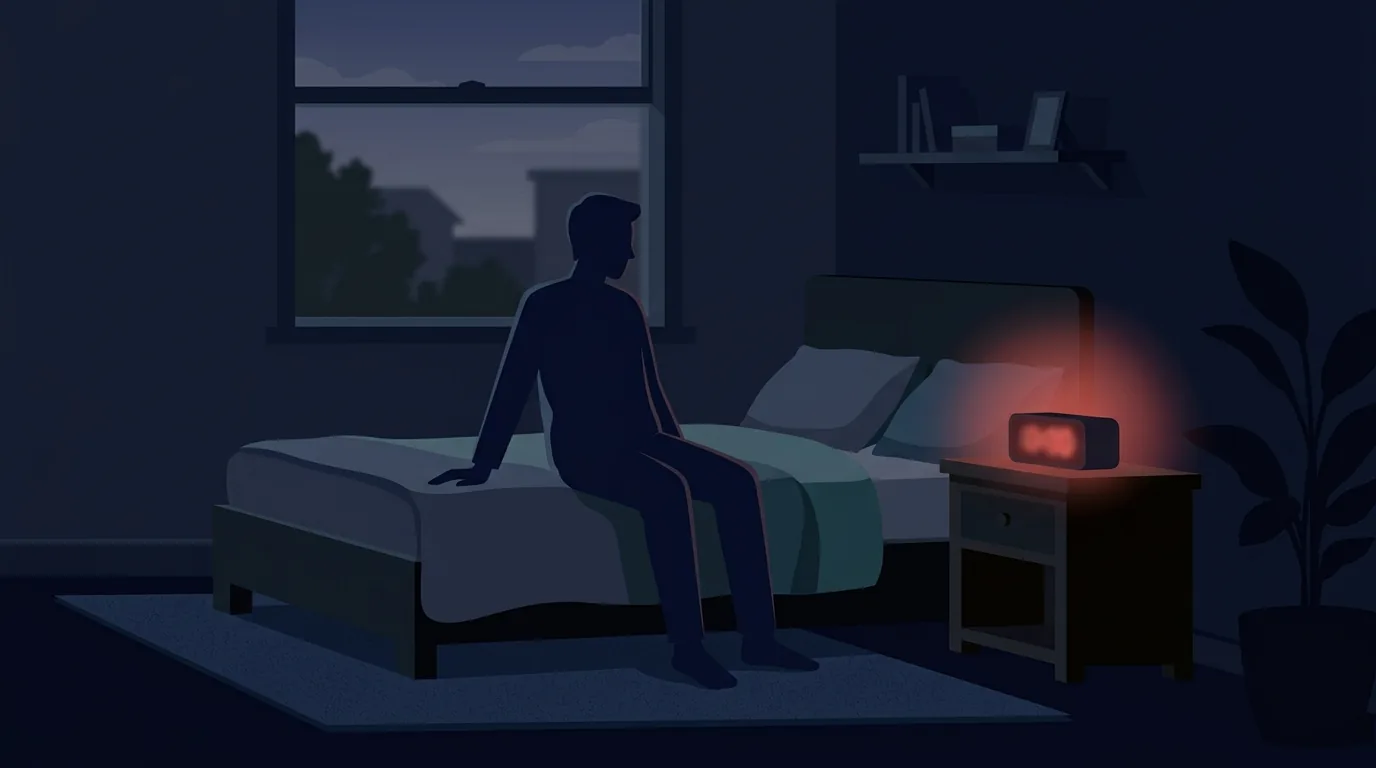
That heavy, stupid feeling in the minutes after the alarm — where coffee-making is hard and conversation is unwise — is not a character flaw. It has a name in the sleep literature: sleep inertia, and knowing how it behaves changes how you should schedule your first hour and your naps.
What sleep inertia is
Sleep inertia is the transitional state between sleep and full alertness: impaired performance, reduced vigilance, and the strong desire to go straight back to sleep. The foundational review — Tassi & Muzet, "Sleep inertia" in Sleep Medicine Reviews (2000) — describes measurable performance impairment immediately after waking that typically dissipates over the following tens of minutes, with effects most pronounced in the first 15–30 minutes and, under bad conditions, lingering considerably longer.
The key facts that survive across the literature:
| Fact | Practical consequence |
|---|---|
| Worst in the first ~15–30 minutes | Don't schedule anything that matters immediately after waking |
| Aggravated by waking from deep (slow-wave) sleep | Very short nights and long naps both increase the odds |
| Aggravated by sleep deprivation | The groggier baseline you carry, the worse the transition |
| Naps ≤ ~20 minutes largely avoid it | Short naps end before deep sleep dominates |
The nap math
Deep sleep pressure builds the longer a nap runs. Keep a nap around 20 minutes and you'll usually surface from lighter stages, alert within a few minutes. Sleep 60–90+ minutes and you may rise out of — or into — slow-wave sleep, which is where the brutal wake-ups come from. This is the whole argument for capping naps with a countdown timer rather than "just resting your eyes."
What actually helps in the morning
No trick abolishes sleep inertia, but three things consistently shorten it: light (bright light signals the circadian system that the day has started), caffeine (with its ~20-minute onset, drinking it immediately on waking times the effect to when inertia is fading anyway), and time — which is the honest one. Build the first 20 minutes of the day out of tasks that tolerate stupidity: shower, kettle, dishes, a walk. Not email.
And if you use a bedside screen clock, dim red digits at night help you check the time without the light exposure that fragments sleep in the first place — that's what the night clock themes are for.
Sources
- Tassi & Muzet, Sleep inertia, Sleep Medicine Reviews, 2000
- Hilditch, Dorrian & Banks, Time to wake up: reactive countermeasures to sleep inertia, Industrial Health, 2016